Benefits of Extended Producer Responsibility for Businesses
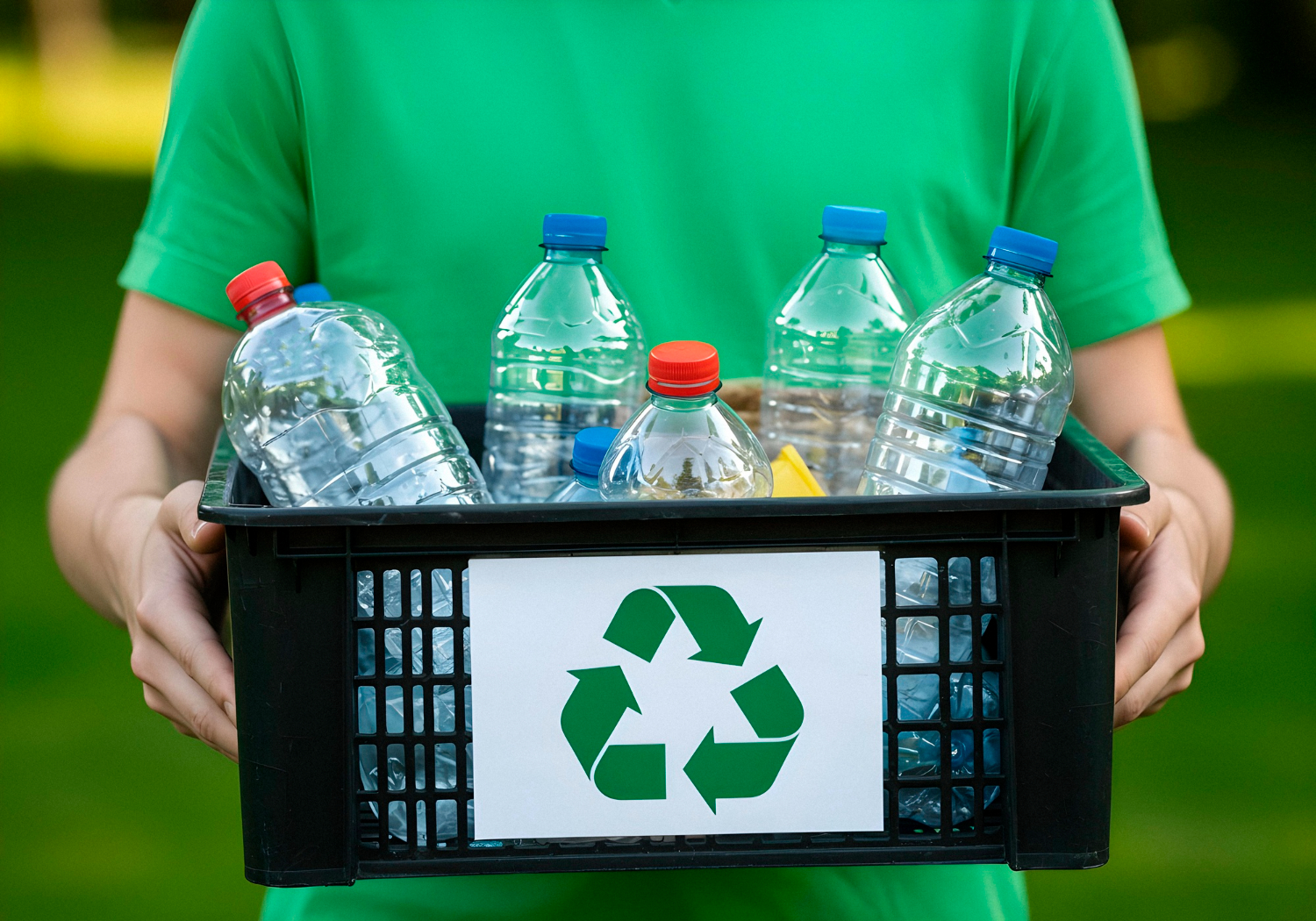
In today’s environmentally conscious market, businesses are increasingly expected to take responsibility for the products they introduce into the market, even after those products reach the end of their lifecycle. Extended Producer Responsibility (EPR) is a regulatory framework that places the responsibility of waste collection, recycling, and disposal on producers, importers, and brand owners. Beyond legal compliance, EPR offers numerous business advantages that contribute to long-term growth and sustainability.
This article explores the key benefits of Extended Producer Responsibility for businesses and why obtaining an EPR Certificate is becoming essential in India.
What is Extended Producer Responsibility (EPR)?
Extended Producer Responsibility (EPR) is an environmental policy that requires manufacturers, importers, and brand owners to manage the collection, recycling, and environmentally sound disposal of post-consumer waste generated from their products.
The framework is regulated by the Central Pollution Control Board (CPCB) in India and applies to various categories, including plastic waste, e-waste, battery waste, and used oil.
Why is EPR Important for Businesses?
As environmental regulations become stricter, businesses must adopt responsible waste management practices to remain compliant and competitive. EPR not only helps companies fulfill legal obligations but also supports sustainable business operations.
Key Objectives of EPR
Reduce environmental pollution
Encourage recycling and resource recovery
Promote sustainable product design
Minimize landfill waste
Strengthen the circular economy
Top Benefits of Extended Producer Responsibility for Businesses
Implementing EPR compliance offers multiple advantages that go beyond regulatory requirements.
1. Ensures Legal Compliance
One of the primary benefits of EPR is compliance with environmental regulations established by the government. Businesses operating in sectors covered under EPR regulations must obtain an EPR Certificate to legally continue their operations.
Failure to comply may result in penalties, restrictions, or legal action from regulatory authorities.
2. Enhances Brand Reputation
Consumers are increasingly choosing brands that demonstrate environmental responsibility. Businesses that actively participate in recycling and waste management initiatives can build a positive public image and gain customer trust.
A strong sustainability profile can improve brand loyalty and differentiate a company from competitors.
3. Improves Customer Confidence
Modern consumers prefer products from companies that prioritize environmental protection. By complying with EPR regulations, businesses showcase their commitment to responsible production and waste management.
This transparency strengthens customer confidence and supports long-term customer retention.
4. Supports Sustainable Business Growth
Sustainability is no longer optional—it is a critical component of long-term business success. EPR encourages companies to adopt eco-friendly practices that reduce environmental impact while improving operational efficiency.
Businesses that embrace sustainability often attract investors, partners, and environmentally conscious consumers.
5. Encourages Efficient Resource Utilization
EPR promotes recycling and material recovery, enabling businesses to reduce dependence on raw materials. Recovered resources can often be reused in production processes, lowering operational costs and conserving natural resources.
This approach supports a circular economy where materials remain in use for as long as possible.
6. Reduces Waste Management Burden
By implementing organized collection and recycling systems, businesses can efficiently manage post-consumer waste. This reduces the burden on local authorities while helping companies meet environmental obligations more effectively.
7. Creates Competitive Advantage
Companies with strong environmental compliance standards often gain a competitive edge in the market. Many government tenders, corporate partnerships, and international buyers prefer working with environmentally responsible organizations.
Holding an EPR Registration demonstrates commitment to sustainability and regulatory compliance, making businesses more attractive to stakeholders.
8. Increases Market Opportunities
Several global markets now require proof of environmental compliance before allowing products to enter their supply chains. Businesses that maintain EPR compliance can access new domestic and international opportunities with greater ease.
9. Promotes Innovation in Product Design
EPR motivates manufacturers to design products that are easier to recycle, repair, and reuse. This can lead to innovative product development, reduced production costs, and improved environmental performance.
10. Strengthens Corporate Social Responsibility (CSR)
Corporate Social Responsibility has become an important aspect of modern business operations. EPR compliance aligns with CSR goals by supporting environmental conservation and responsible waste management practices.
Businesses can use their sustainability initiatives to strengthen stakeholder relationships and improve corporate credibility.
Industries That Benefit from EPR Compliance
Several industries can gain significant advantages from implementing EPR requirements.
Plastic Manufacturers and Brand Owners
Improved regulatory compliance
Better waste recovery systems
Enhanced brand value
Electronic and Electrical Equipment Businesses
Efficient e-waste management
Increased customer trust
Access to environmentally conscious markets
Battery Manufacturers and Importers
Responsible battery disposal
Compliance with environmental regulations
Reduced environmental liabilities
Consumer Goods Companies
Sustainable packaging initiatives
Improved brand reputation
Greater customer engagement
How to Obtain an EPR Certificate?
The process generally involves:
Step 1: Determine Applicability
Identify whether your business falls under plastic waste, e-waste, battery waste, or other EPR categories.
Step 2: Gather Required Documents
Common documents include:
PAN card
GST registration
IEC (for importers)
Company incorporation documents
Product details
Authorized signatory documents
Step 3: Register on the CPCB Portal
Submit the required application and supporting documents through the relevant regulatory portal.
Step 4: Submit EPR Action Plan
Provide details regarding collection, recycling, and waste management mechanisms.
Step 5: Receive Approval
After verification and approval by the competent authority, the business receives its EPR Certificate.
Why Choose Registrationwala for EPR Registration?
Obtaining EPR authorization can be a complex process involving documentation, regulatory compliance, and coordination with government authorities. Registrationwala simplifies the process by providing end-to-end assistance for EPR registration and compliance.
Registrationwala Offers:
Expert EPR consultation
Documentation support
Application filing assistance
CPCB compliance guidance
Quick and hassle-free registration process
Ongoing compliance support
With experienced professionals and industry expertise, Registrationwala helps businesses obtain their EPR Certificate efficiently while ensuring full regulatory compliance.
Conclusion
Extended Producer Responsibility is more than just a regulatory requirement—it is a strategic business initiative that supports sustainability, compliance, and long-term growth. From improving brand reputation and customer trust to creating new market opportunities, EPR offers significant advantages for modern businesses.
By securing an EPR Certificate and implementing effective waste management practices, companies can strengthen their environmental commitments while enhancing business performance. For businesses seeking a smooth and reliable registration process, Registrationwala provides expert guidance and comprehensive support to achieve EPR compliance efficiently.