E-Waste Recycling vs. Landfilling: Which Is Better?
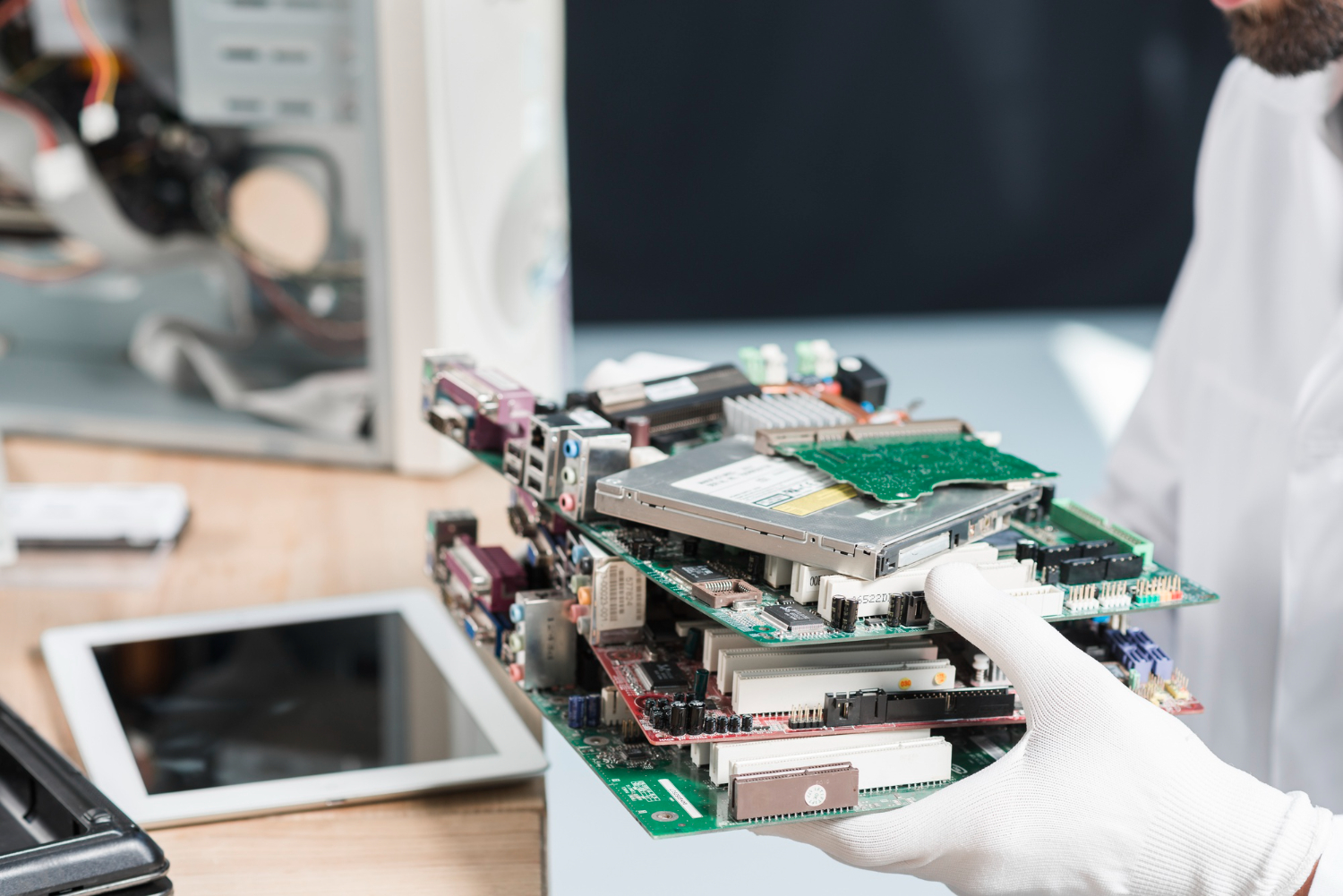
Electronic waste, commonly known as e-waste, is one of the fastest-growing waste streams worldwide. With the increasing use of smartphones, laptops, televisions, and other electronic devices, managing discarded electronics has become a significant environmental challenge. The two most common methods of e-waste disposal are recycling and landfilling. But which option is better for the environment, public health, and resource conservation? Let's explore.
Understanding E-Waste
E-waste includes discarded electrical and electronic equipment that has reached the end of its useful life. These products often contain valuable materials such as gold, silver, copper, and aluminum, along with hazardous substances like lead, mercury, and cadmium.
Common Examples of E-Waste
Mobile phones
Computers and laptops
Printers and scanners
Televisions
Batteries
Household electronic appliances
What Is E-Waste Recycling?
E-waste recycling is the process of collecting, dismantling, and recovering valuable materials from discarded electronic products. Specialized recycling facilities separate reusable materials and safely dispose of hazardous components.
Benefits of E-Waste Recycling
1. Resource Conservation
Recycling helps recover precious metals and other valuable materials that can be reused in manufacturing new products.
2. Environmental Protection
Proper recycling prevents toxic substances from contaminating soil, water, and air.
3. Reduced Energy Consumption
Using recycled materials often requires less energy than extracting and processing raw materials.
4. Economic Opportunities
The recycling industry creates jobs in collection, processing, refurbishment, and manufacturing sectors.
What Is E-Waste Landfilling?
Landfilling involves disposing of electronic waste in designated waste disposal sites. While it may appear to be a convenient solution, it presents several long-term environmental risks.
Drawbacks of E-Waste Landfilling
1. Soil and Water Contamination
Hazardous chemicals from electronic devices can leach into the soil and groundwater over time.
2. Loss of Valuable Resources
Materials such as gold, silver, and copper are permanently lost when e-waste is dumped in landfills.
3. Increased Environmental Pollution
Landfills contribute to environmental degradation and may release harmful substances into nearby ecosystems.
4. Public Health Concerns
Exposure to toxic elements from improperly managed e-waste can pose health risks to surrounding communities.
E-Waste Recycling vs. Landfilling: A Comparison
Environmental Impact
E-waste recycling significantly reduces pollution and conserves natural resources, while landfilling increases the risk of contamination and environmental damage.
Resource Recovery
Recycling allows valuable materials to be recovered and reused. Landfilling results in the permanent loss of these resources.
Sustainability
Recycling supports a circular economy by promoting reuse and responsible waste management. Landfilling follows a linear "use and dispose" model that is not sustainable in the long run.
Regulatory Compliance
Many countries, including India, encourage responsible e-waste management through regulations such as Extended Producer Responsibility (EPR). Businesses involved in manufacturing, importing, or selling electronic products may need an EPR Registration and an EPR Certificate to comply with legal requirements.
The Importance of EPR Registration and EPR Certificate
The Extended Producer Responsibility framework ensures that producers take responsibility for managing electronic waste generated from their products.
Why Businesses Need EPR Compliance
Ensures legal compliance with environmental regulations
Promotes sustainable waste management practices
Enhances brand reputation
Reduces environmental impact
Supports responsible recycling initiatives
Obtaining an EPR Registration and securing an EPR Certificate demonstrates a company's commitment to environmental responsibility and regulatory compliance.
How Registrationwala Can Help
Navigating EPR compliance can be complex for businesses. Registrationwala offers professional assistance for obtaining EPR Registration and EPR Certificate approvals efficiently.
Services Offered by Registrationwala
EPR Registration assistance
Documentation support
Application filing and compliance management
Expert consultation
End-to-end regulatory guidance
With experienced professionals and a customer-focused approach, Registrationwala helps businesses meet environmental obligations without unnecessary delays.
Conclusion
When comparing e-waste recycling and landfilling, recycling is clearly the superior option. It conserves valuable resources, protects the environment, reduces pollution, and supports sustainable development. In contrast, landfilling contributes to environmental degradation and resource loss.
For businesses dealing with electronic products, obtaining an EPR Registration and EPR Certificate is an essential step toward responsible e-waste management. Registrationwala can simplify the compliance process and help your organization contribute to a cleaner and greener future.