How EPR Recycling Supports a Circular Economy
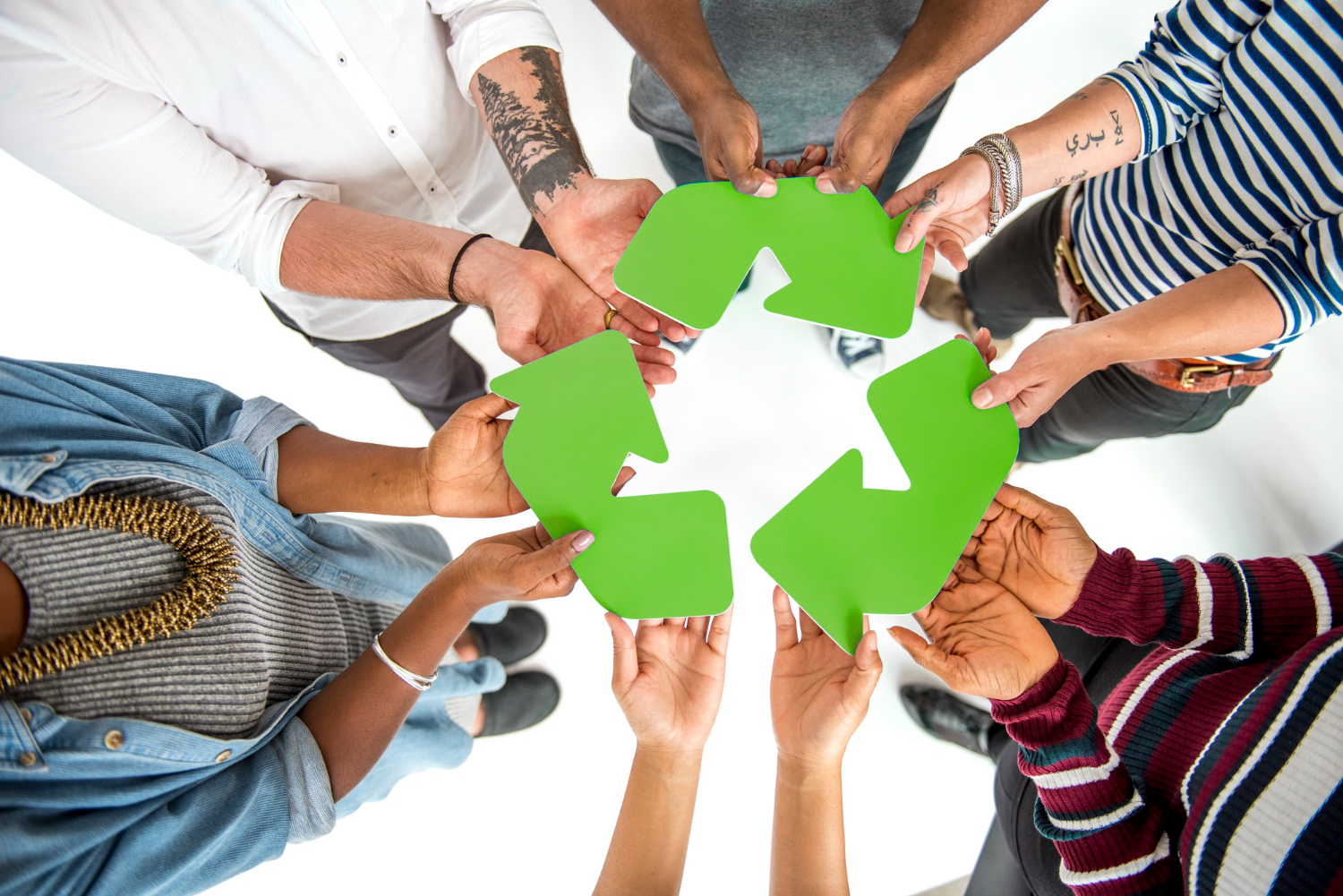
In today's world, increasing waste generation and resource depletion have become major environmental concerns. Governments and businesses are adopting sustainable practices to reduce waste and maximize resource utilization. One of the most effective approaches is Extended Producer Responsibility (EPR) recycling. EPR encourages producers to take responsibility for the collection, recycling, and disposal of products after their useful life, thereby supporting the development of a circular economy.
What is EPR Recycling?
EPR Recycling is a waste management approach that makes manufacturers, importers, and brand owners responsible for managing the waste generated by their products. Instead of relying solely on consumers or local authorities, producers are required to ensure proper collection, recycling, and disposal of waste.
Businesses dealing with plastic packaging, electronic products, batteries, and other regulated materials must obtain an EPR Registration and comply with environmental regulations set by the government.
Understanding the Circular Economy
A circular economy is an economic model that focuses on reducing waste and continuously reusing resources. Unlike the traditional "take-make-dispose" model, a circular economy promotes:
Reuse of materials
Recycling of waste
Repair and refurbishment of products
Sustainable production and consumption
The goal is to keep products and materials in use for as long as possible while minimizing environmental impact.
How EPR Recycling Supports a Circular Economy
1. Promotes Resource Recovery
EPR Recycling ensures that waste materials are collected and processed for reuse. Valuable resources such as plastic, metals, paper, and electronic components can be recovered and reintroduced into the manufacturing cycle.
This reduces the need for extracting new raw materials and conserves natural resources.
2. Reduces Landfill Waste
A significant portion of waste ends up in landfills, causing environmental pollution and greenhouse gas emissions. Through EPR compliance, producers establish collection and recycling systems that divert waste away from landfills.
As a result, more materials are recycled and reused, supporting the principles of a circular economy.
3. Encourages Sustainable Product Design
When producers are responsible for post-consumer waste, they become more motivated to design products that are:
Easier to recycle
Durable and long-lasting
Made from recyclable materials
Environmentally friendly
This shift leads to sustainable innovation and reduced waste generation.
4. Increases Recycling Rates
An effective EPR framework creates organized collection and recycling channels. Producers often collaborate with authorized recyclers and waste management agencies to achieve recycling targets.
Higher recycling rates help create a continuous flow of reusable materials within the economy.
5. Reduces Environmental Pollution
Improper disposal of plastic, e-waste, and batteries can contaminate soil, water, and air. EPR Recycling ensures that such waste is handled responsibly through certified recycling processes.
This contributes to cleaner ecosystems and improved public health.
Importance of EPR Compliance for Businesses
Businesses covered under EPR regulations must fulfill various compliance requirements. Obtaining an EPR Certificate demonstrates that an organization is meeting its environmental responsibilities and complying with government regulations.
An EPR-compliant business can:
Avoid regulatory penalties
Build a positive brand image
Improve sustainability performance
Gain consumer trust
Contribute to environmental protection
EPR Registration and EPR License Requirements
Who Needs EPR Registration?
The following entities generally require EPR Registration:
Manufacturers
Importers
Brand Owners (PIBOs)
E-commerce companies
Producers of electronic products
Battery manufacturers and importers
Why is an EPR License Important?
An EPR License enables businesses to legally operate within the framework of environmental regulations. It serves as proof that the organization has established mechanisms for waste collection, recycling, and reporting.
Failure to obtain the necessary approvals may result in penalties and restrictions on business operations.
Benefits of EPR Recycling in a Circular Economy
Environmental Benefits
Reduced pollution
Lower landfill dependency
Conservation of natural resources
Reduced carbon footprint
Economic Benefits
Creation of recycling industries
Job opportunities in waste management
Reduced production costs through recycled materials
Improved resource efficiency
Social Benefits
Better public health
Increased environmental awareness
Cleaner communities
How Registrationwala Helps with EPR Compliance
Navigating EPR regulations can be complex for businesses. Registrationwala provides expert assistance for obtaining an EPR Certificate, completing EPR Registration, and securing the necessary EPR License.
With a team of experienced compliance professionals, Registrationwala helps businesses:
Prepare documentation
File EPR applications
Ensure regulatory compliance
Meet recycling obligations
Obtain approvals efficiently
By partnering with Registrationwala, businesses can focus on growth while maintaining full compliance with environmental regulations.
Conclusion
EPR Recycling plays a vital role in building a sustainable circular economy. By holding producers accountable for the lifecycle of their products, EPR encourages recycling, resource conservation, and responsible waste management. Businesses that obtain an EPR Certificate, complete EPR Registration, and secure the required EPR License not only comply with regulations but also contribute to a greener future.
For hassle-free EPR compliance solutions, Registrationwala offers end-to-end support to help businesses meet their environmental responsibilities and achieve sustainable growth.